

Choosing the right Back Splash material in 2026 requires more than matching cabinet colors. Global buyers must balance design, durability, maintenance, supply stability, and regional installation practices. A glossy glass panel may brighten a small kitchen, while porcelain can withstand heat, moisture, and daily cleaning near a busy cooktop. Natural stone offers character, but its pores demand sealing and regular care. Small details matter, including grout width, edge finishing, packaging quality, and replacement availability.
Industry research shows why this decision deserves closer attention. The National Kitchen & Bath Association’s 2025 Kitchen Trends Report highlights stronger demand for durable, low-maintenance surfaces and practical kitchen upgrades. Houzz’s 2024 U.S. Kitchen Trends Study also shows that homeowners continue investing in upgraded surfaces, improved functionality, and personalized design. Meanwhile, global construction and interior-material reports from Grand View Research identify porcelain, ceramic, glass, and engineered surfaces as important categories in expanding renovation markets. These reports offer useful direction, but they do not replace local testing. Climate, water quality, labor skills, and transport conditions can change performance.
Susan Serra, CKD, a respected kitchen designer and educator, once described the backsplash as “the jewelry of the kitchen.” The phrase is memorable, but beauty alone is not enough. A cheaper tile can become expensive after breakage, difficult cutting, or unavailable replacements. Buyers should compare technical sheets, slip and water-resistance data, cleaning instructions, and supplier reliability. Some selections will still be imperfect. That is the honest part. This 2026 guide examines the strongest Back Splash materials for different markets, budgets, and real-world kitchen conditions.
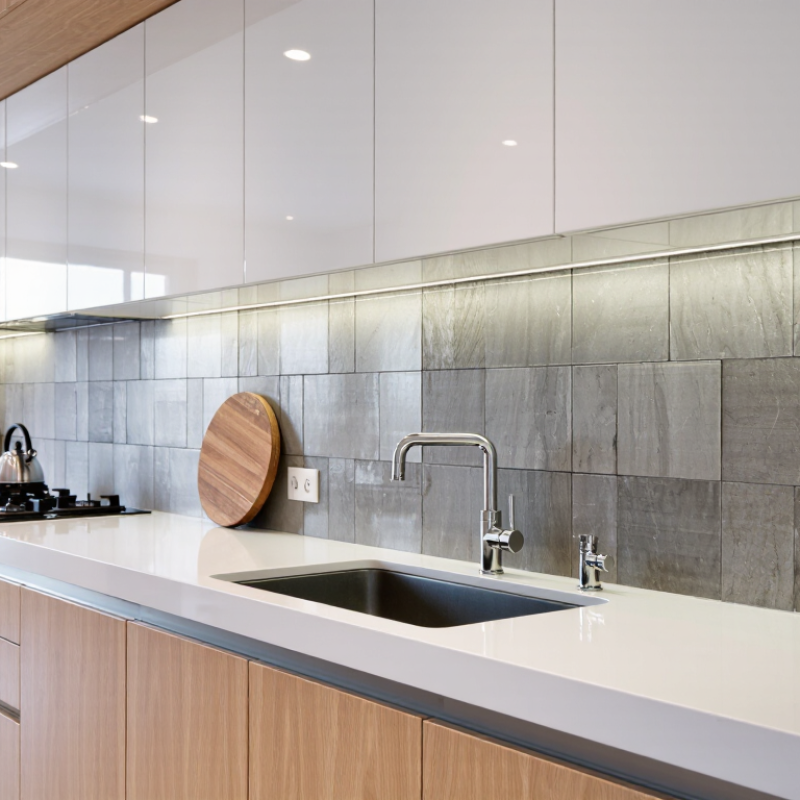
A backsplash is the protective surface between a countertop and upper cabinets or open wall space. It catches splashes, cooking grease, steam, and fine food particles before they stain plaster or drywall. Its role is practical, but it also shapes how a kitchen feels. Glossy surfaces reflect light. Textured finishes add depth. For global buyers, material choice matters because kitchens face different humidity, temperatures, cleaning habits, and installation standards.
Ceramic and porcelain tiles Ceramic and porcelain tiles offer dependable water resistance and many size options. Porcelain is usually denser, while ceramic can be easier to cut on smaller projects.
Natural stone Natural stone brings unique veining, but porous varieties may need sealing and suitable cleaning products.
Glass Glass creates a bright, continuous look and wipes clean easily.
Metal sheets Metal sheets tolerate heat well, although fingerprints and scratches can show under strong lighting.
Large engineered panels Large engineered panels reduce grout lines, yet shipping, cutting, and wall flatness require serious planning.
A reliable specification starts with the cooking zone, not a trend photograph. Near a gas or induction hob, confirm heat limits, adhesive suitability, and local fire requirements. Review current technical sheets and local building guidance.
Request physical samples, place them beside the cabinets, and test a small area with oil and water. Do not assume “waterproof” means stain-proof.
Even durable surfaces can fail when joints are poorly sealed or walls move. A common mistake is choosing a delicate finish for a busy family kitchen. Another is ignoring replacement access behind appliances. No material is maintenance-free.
When comparing backsplash materials for global projects, start with the site, not the showroom. Porcelain and ceramic tiles usually offer stable supply, strong chemical resistance, and simple replacement. Under ANSI A137.1, porcelain tile has water absorption of 0.5% or less, tested through ASTM C373. That figure matters in humid kitchens and commercial food areas. Glass provides easy cleaning and bright visual depth, but edges may chip during long-distance handling. Stainless steel tolerates heat well, although fingerprints and surface scratches appear quickly.
Natural stone creates a distinctive surface, yet its performance varies by mineral structure. Marble can absorb oils and acidic liquids without regular sealing. Granite is generally more resistant, but its weight increases freight and installation demands. Sintered panels reduce grout lines and handle heat effectively, but cutting requires trained installers and accurate site measurements. Always request test records for water absorption, stain resistance, thermal shock, and chemical resistance. Country-specific standards may differ.
Logistics also deserve technical attention. Measure crate strength, replacement availability, and local fabrication skills before approving a material. The 2024 Global Status Report for Buildings and Construction states that buildings use about 32% of global energy and produce approximately 34% of global carbon emissions. Lightweight formats can reduce transport impacts, but durability must come first. I have seen inexpensive finishes become costly after one damaged shipment. That lesson is easy to overlook. A practical comparison should include cleaning labor, repair access, packaging waste, and expected service life—not only purchase price.
Which Backsplash Materials Will Lead the 2026 Market?
Porcelain and ceramic tile are positioned to lead the 2026 backsplash market. Houzz’s 2024 U.S. Kitchen Trends Study reported ceramic or porcelain tile in 54% of renovated kitchen backsplashes. Buyers value their moisture resistance, broad formats, and manageable replacement costs. Large porcelain panels also create fewer grout lines behind sinks and cooktops. That detail matters in busy kitchens.
Sintered stone will gain attention among premium global buyers. It offers low water absorption, heat resistance, and continuous visual patterns. Market reports on engineered stone identify durability and large-format design as major growth drivers through the decade. Recycled glass will also attract environmentally focused projects, especially in hospitality and urban housing. However, its supply chain can be inconsistent. That weakness deserves honest consideration.
Tips: Ask suppliers for water absorption, thermal-shock, slip, and stain-resistance test results. Check local installation skills before choosing oversized panels. A beautiful slab may fail if transport access is narrow. Compare lifecycle cost, not only the purchase price. Natural stone still offers unmatched texture, but sealing needs can surprise first-time buyers. Product performance varies by batch and region, so request current technical sheets and physical samples.
2026 Best Backsplash Materials for Global Buyers?
Cost, durability, and maintenance vary sharply among backsplash materials. Ceramic and porcelain tiles usually offer the lowest material cost. They resist moisture, heat, and daily kitchen splashes. Porcelain is denser, so it often handles heavy use better. However, installation costs can rise when patterns require many cuts. Grout still needs regular cleaning. It can discolor faster than the tile itself.
Glass panels create a bright, seamless appearance with very few joints. They are easy to wipe, but custom sizing and protective packaging increase shipping costs. Cracks may also require replacing a whole panel. Stainless steel suits commercial-style kitchens and tolerates heat well. Fingerprints and water marks appear quickly. It needs frequent wiping.
Natural stone provides distinctive texture and strong visual appeal, but prices vary by origin, thickness, and finishing. Stone needs attention. Many types require sealing, and acidic cleaners may etch the surface. Engineered stone can reduce variation and simplify selection, yet heat exposure remains a concern near cooktops. Always confirm the product’s temperature limits.
Global buyers should compare delivered cost, not tile price alone. Ask about packaging, breakage allowances, replacement availability, grout compatibility, and local installation skills. A cheaper material may become expensive after damage, special tools, or imported sealants. My practical concern is often overlooked: maintenance habits differ by household. A low-maintenance surface is valuable only when its cleaning instructions are realistic for everyday use.
A practical comparison of common backsplash materials for residential kitchens and utility areas
| Material | Typical Material Cost (USD/ft²) | Water Resistance | Heat Resistance | Stain & Scratch Performance | Maintenance Needs | Sealing Required | Typical Service Life | Best Suited For |
|---|---|---|---|---|---|---|---|---|
| Ceramic Tile | $2–$15 | Very good; glazed surfaces resist water | Very good for normal cooking heat | Good; glaze resists stains, but edges can chip | Wipe tile regularly; clean grout periodically | Usually not for glazed tile; grout may need protection | 20–50+ years with sound installation | Cost-conscious projects and decorative designs |
| Porcelain Tile | $3–$20 | Excellent; low water absorption | Excellent for normal cooking heat | Very good resistance to stains and abrasion | Low maintenance; grout remains the main cleaning area | Generally not for the tile; grout sealing is optional or recommended | 30–50+ years with proper installation | High-traffic kitchens and humid climates |
| Glass Tile | $7–$30 | Excellent; non-porous surface | Good for ordinary backsplash heat; avoid direct flame contact | Excellent stain resistance; can crack from impact | Easy to wipe clean; grout requires routine care | No for glass; grout may be sealed | 20–40+ years with careful handling | Modern interiors, accent walls, and low-porosity applications |
| Natural Stone | $5–$30 | Varies; limestone and marble are more porous | Very good, but rapid temperature changes may cause damage | Good to very good; softer stones can scratch or etch | Use pH-neutral cleaners; remove spills promptly | Usually yes; re-seal according to stone type and use | 20–50+ years with regular care | Premium designs and buyers seeking natural variation |
| Engineered Quartz Slab | $15–$40 | Excellent; non-porous when properly fabricated | Good for normal backsplash use; prolonged high heat can damage resin | Very good stain resistance; may scratch or chip at edges | Low maintenance; clean with mild soap and water | No routine sealing required | 15–30+ years, depending on use and heat exposure | Seam-minimized installations and coordinated countertop designs |
| Stainless Steel | $10–$30 | Excellent; non-porous and moisture resistant | Excellent; suitable near cooking equipment when correctly installed | Does not stain easily, but shows fingerprints and fine scratches | Wipe with a soft cloth; avoid abrasive cleaners | No | 20–40+ years | Commercial-style kitchens and high-heat zones |
| Laminate Panel | $1–$8 | Good when edges and seams are fully protected | Limited; keep away from direct heat and open flames | Fair to good; can scratch, dent, or delaminate | Simple wipe-clean care; prevent standing water | No, but exposed edges must be properly finished | 10–20 years in suitable conditions | Budget renovations and low-heat areas |
Global buyers should check performance before comparing colors or prices.
For porcelain, ISO 13006 defines water absorption at 0.5% or below. This matters near sinks, steam, and frequent cleaning. Ask suppliers for test reports covering stain resistance, chemical resistance, thermal shock, and dimensional tolerance. A glossy sample can look perfect under showroom lights, yet reveal scratches in a busy kitchen. Test it under your actual lighting.
Environmental data also deserves attention.
UNEP’s 2023 Global Status Report for Buildings and Construction states that buildings and construction consume 34% of global energy and create 37% of energy and process-related emissions. Request an environmental product declaration, recycled-content data, and manufacturing energy information when available. Natural stone needs quarry origin and batch details, while glass and metal mosaics need backing, adhesive, and heat-resistance specifications. Small details matter.
Check carton strength, pallet protection, replacement-piece availability, and the exact quantity per box.
Eurostat reported that construction and demolition waste represented 38.4% of EU waste in 2020. Better packaging planning can reduce breakage and disposal. Confirm production lead time, inspection procedures, labeling, and destination-market documentation in writing. Order samples from the real production batch, not only a showroom piece. One weakness remains: test results may not predict every installation condition. Allow a practical margin for shade variation and breakage.
©2024 Pine Vista LLC, DBA Design Manufacturing Group. All Rights Reserved.


©2024 Pine Vista LLC, DBA Design Manufacturing Group. All Rights Reserved.
