
2026 Best Types of Table Decoration for Restaurants

In 2026, restaurant tables are becoming more than places for plates and cutlery. They shape the guest’s first impression, influence dining photographs, and support the restaurant’s identity. A thoughtful Table Decoration Restaurant strategy connects beauty with practical service. It should look inviting at noon, remain comfortable during dinner, and survive frequent cleaning.

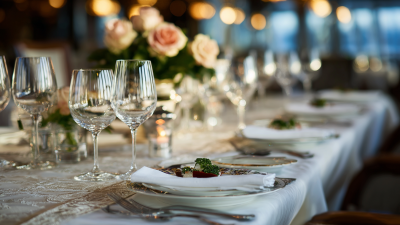
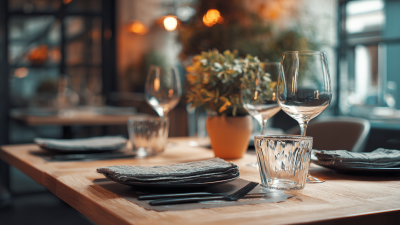
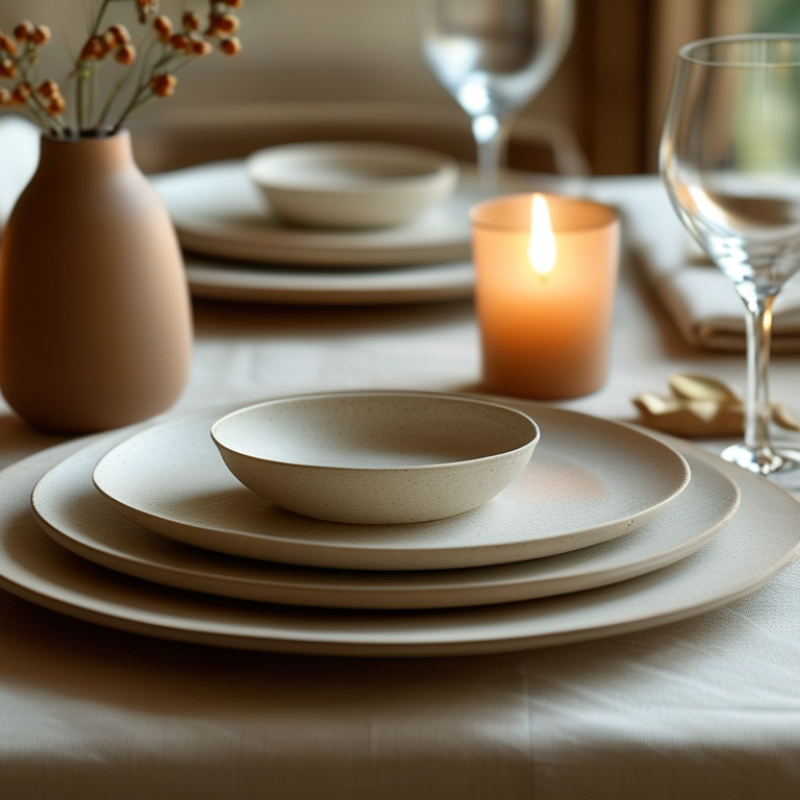
Restaurant designer Adam Tihany once said, “A restaurant is a stage, and the food is the performance.” His observation remains highly relevant. Table decoration should frame the meal without competing with it. Low ceramic vessels can add texture while protecting eye contact. Linen napkins create softness, while brushed metal details can suggest a modern concept. Small herbs, warm candlelight, and locally inspired objects may also make a table feel memorable.

Practicality matters.

This guide explores the best types of table decoration for restaurants in 2026. It considers minimalist arrangements, seasonal centerpieces, sustainable materials, technology-friendly layouts, and premium fine-dining details. Each option should be judged against cleaning time, table size, guest movement, and replacement cost. A beautiful centerpiece can still fail if servers must move it repeatedly. An elegant candle may also become inconvenient beside shared dishes.

Some choices are imperfect. Trends change quickly, and not every sustainable material performs well in busy dining rooms. Testing one table before redesigning the entire space is wiser. Managers can observe guest comfort, staff feedback, and maintenance demands. The strongest Table Decoration Restaurant ideas combine visual character with daily reliability, creating tables that feel distinctive without becoming difficult to use.
2026 Best Types of Table Decoration for Restaurants

Set 2026 Criteria: Cost, Table Turnover, and 30×48-Inch Access Space

The best restaurant table decorations in 2026 must earn their space.

Cost, table turnover, and access should guide every choice. The National Restaurant Association’s 2024 State of the Restaurant Industry Report projected more than $1 trillion in U.S. restaurant sales. Yet operators still face rising food, labor, and supply expenses. Decoration budgets need discipline.

Start with a cost-per-table calculation. A durable centerpiece may cost more initially, but it can reduce replacement spending.

Choose washable materials, stable bases, and compact forms. My first layouts looked attractive but slowed clearing. That mistake was expensive. Measure setup, cleaning, and reset time with a stopwatch. If a centerpiece adds two minutes per table, calculate the lost seating capacity during peak service. Small delays accumulate.

Protect a 30 x 48-inch clear floor space

where accessibility planning requires it. Keep chair pull-out zones, aisle paths, and table approaches free from pots, candle holders, and display stands.

The 2010 ADA Standards identify 30 x 48 inches as a common clear floor-space reference, but local requirements still need verification.

Use low decorations for visual connection and quick service. A 2024 labor report from the National Restaurant Association noted continuing staffing pressure across foodservice operations. Fewer handling steps matter. Do not assume beauty improves turnover. Test it during a full service, with servers carrying trays and guests moving naturally.

Compare Centerpieces Using FDA Food Code Cleanability Requirements

2026 Best Types of Table Decoration for Restaurants

Cleanability should guide every restaurant centerpiece choice. The FDA Food Code is a model standard, while local authorities decide how it applies. Decorations must not contaminate food, utensils, hands, or nearby service areas. When a centerpiece touches food-contact surfaces, stricter requirements apply. Those surfaces should be smooth, durable, nonabsorbent, corrosion-resistant, and easily cleanable.

Glass, stainless metal, and sealed ceramic usually perform well because staff can inspect them quickly. Their surfaces tolerate routine washing and sanitizing. Choose wide, stable designs with no deep grooves or hidden joints. Avoid chipped glaze, cracked glass, and rough finishes. Small details matter. A beautiful centerpiece can still create a cleaning failure.

Fresh flowers can work when stems remain inside clean, leak-resistant vessels. Change the water regularly and remove fallen petals immediately. Potted plants, loose soil, dried moss, feathers, and porous untreated wood require more caution. They can hold moisture, dust, or organic material that routine wiping will not remove. Fabric runners may appear elegant, but stains and trapped crumbs make them difficult to clean between seatings.

A sealed wooden centerpiece is not automatically hygienic. Scratches may expose absorbent material over time. I would inspect it weekly, not only when it looks dirty. That habit is easy to overlook. For daily operations, choose decorations that staff can wash, sanitize, dry, and store without special tools. Document the cleaning method, then confirm it matches the current local food code and inspection guidance.

Choose Sustainable Materials with ISO 14001 and Waste-Reduction Metrics

In 2026, restaurant table decoration should support the dining experience without creating hidden waste. Choose durable materials such as certified wood, recycled glass, stone, or washable fabric. Their origin, maintenance needs, and expected lifespan matter as much as appearance. A beautiful centerpiece is less sustainable if it breaks after several services.

ISO 14001 provides a useful environmental management framework for selecting and controlling these materials. It encourages restaurants to identify impacts, set objectives, train staff, and review performance regularly. Ask suppliers for material data, packaging details, and responsible sourcing evidence. Record practical metrics, including decoration waste per 100 covers, damaged items per month, reuse rates, and packaging weight. Keep the figures simple. Clear data supports better purchasing decisions.

Real-world tracking is rarely perfect. During an early trial, staff may record broken candle holders inconsistently. Waste bins may also contain mixed materials. That is normal, but it needs correction. Use labeled collection points and a short daily checklist. Review results every four weeks, then change quantities or designs. For example, replace fragile seasonal pieces with modular decorations that can be repaired and rearranged. A sustainability officer or trained manager should verify the records. Independent audits can add credibility, although internal reviews remain valuable. The aim is not decoration with zero impact. It is measurable reduction, responsible maintenance, and honest improvement.

2026 Best Types of Table Decoration for Restaurants — Choose Sustainable Materials with ISO 14001 and Waste-Reduction Metrics

Material comparison for reusable, durable and waste-conscious restaurant table settings

Table Decoration Type Typical Material Composition Durability & Maintenance End-of-Life Potential Waste-Reduction Metric ISO 14001 Procurement Check Best Restaurant Application
FSC-Certified Wooden Centerpieces Solid wood or plywood from responsibly managed forests; water-based finish preferred High durability when sealed; wipe clean; avoid prolonged soaking Repairable, reusable and potentially recyclable or compostable when coatings and mixed materials are removed Designed for 3–5+ years of repeated service; eliminates most single-use centerpiece waste Request current ISO 14001 certificate scope for the manufacturing site and evidence of certified wood-chain documentation Warm, natural dining rooms, cafés and farm-to-table interiors
Bamboo Table Accessories Solid bamboo, laminated bamboo or bamboo fiber composite Medium to high durability; use food-safe sealants and keep dry between cleaning cycles Solid bamboo may be reusable and biodegradable under suitable conditions; composites usually require specialized disposal Reusable formats can replace hundreds of disposable paper or plastic decorative items over their service life Verify whether the supplier’s environmental management system covers adhesive, coating and waste-handling processes Casual dining, wellness restaurants and sustainability-themed venues
Recycled Glass Vases Post-consumer or post-industrial recycled glass High resistance to stains and heat; fragile under impact; washable and dishwasher-compatible when specified Glass is widely recyclable where local collection infrastructure accepts the color and composition Reusable for multiple service cycles and can avoid disposable plastic floral containers Ask for recycled-content documentation, process controls and ISO 14001 certification for the production facility Minimalist, modern and upscale table settings
Recycled Aluminum Candle Holders Aluminum containing recycled metal content; removable candle insert recommended Very high durability; corrosion-resistant; easy to wipe and sanitize Highly recyclable through established metal-recovery systems; separate wax residue and non-metal parts Long service life with low replacement frequency; reusable design reduces decorative packaging waste Check recycled-content percentage, energy and scrap controls, and the ISO 14001 scope of the metal-processing site High-turnover restaurants requiring durable, compact décor
Cork Placemats and Coasters Natural cork granules or sheets with low-emission adhesive and protective finish Medium durability; lightweight; clean with a damp cloth and air-dry Natural cork may be recyclable or biodegradable depending on backing, coatings and local facilities Reusable for repeated daily service; lightweight construction can reduce transport weight compared with ceramic alternatives Confirm adhesive chemistry, coating composition, waste segregation practices and ISO 14001 coverage Quiet, casual settings where sound reduction and natural texture are priorities
Recycled Ceramic Vessels Ceramic body incorporating production scrap or reclaimed mineral content High heat resistance and good stability; inspect regularly for chips and cracks Reusable for many years; ceramic recycling is location-dependent and often requires separate aggregate processing Long-use reusable décor reduces the need for frequent replacement and single-use seasonal decorations Request recycled-content evidence, kiln-efficiency information and environmental management certification for the production site Full-service restaurants and seasonal floral or herb displays
Stainless-Steel Table Objects Stainless steel, preferably with recycled content and minimal mixed-material components Very high durability; resistant to heat, moisture and commercial cleaning Widely recyclable through metal collection; separate silicone, plastic or electronic components Suitable for long-term reuse with low breakage and low replacement waste Verify recycled-content claims, alloy traceability, wastewater controls and ISO 14001 certification scope Busy kitchens, outdoor dining and high-volume service environments
Living Herb or Plant Displays Edible herbs or indoor plants in reusable ceramic, glass, metal or fiber-based containers Medium operational durability; requires light, watering, trimming and hygienic placement Organic trimmings may be composted where accepted; containers remain reusable Can reduce cut-flower replacement frequency and provide edible garnish when food-safety controls are followed Evaluate growing-medium disposal, water use, organic-waste handling and supplier environmental procedures Fresh-food concepts, garden restaurants and seasonal menus
Reusable Fabric Napkin Rings and Table Runners Recycled polyester, organic cotton, linen or durable blended textiles Medium to high durability depending on fiber and laundering; requires controlled washing and drying Textile reuse, repair and fiber-recycling options depend on composition and local collection systems Reusable textile systems replace disposable paper décor and can be tracked by wash cycles and loss rates Ask for fiber-content records, dye and wastewater controls, laundering impacts and ISO 14001 certification scope Banquet service, premium dining and coordinated seasonal décor
Reusable Solar or Rechargeable LED Table Lights LED module, rechargeable battery, metal or recycled-plastic housing High usability; requires battery charging, cleaning and periodic component replacement Electronic waste must be collected separately; batteries require approved recycling or take-back channels Can reduce disposable candle, wax and packaging waste; track battery life and replacement rate Confirm battery take-back arrangements, repairability, hazardous-material controls and ISO 14001 scope Outdoor patios, low-light dining rooms and energy-conscious venues

Data note: Metrics are practical planning ranges and procurement criteria based on material durability, reuse potential, recyclability and operational waste-control principles. Actual performance depends on product design, cleaning practices, supplier documentation and local recycling or composting infrastructure. ISO 14001 applies to an organization’s environmental management system, not automatically to every individual product.

Match Restaurant Lighting to the 2700–3000 K Hospitality Range

Warm Table Lighting for Restaurants: The 2700–3000 K Hospitality Range

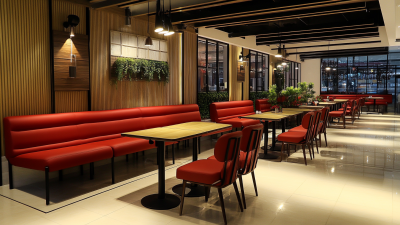
Table decoration works best when lighting supports the meal, not the decoration alone. In my restaurant fit-out experience, 2700–3000 K light creates a warm, welcoming atmosphere for evening dining. It softens metal surfaces, highlights wood grain, and makes shared dishes look more inviting. Keep pendant lights low enough for intimacy, but high enough to preserve eye contact. Avoid direct glare on glasses and polished plates.

Light quality matters as much as color temperature. Choose fixtures with strong color rendering, ideally a CRI of 90 or higher. Guests should see natural reds, greens, and golden tones in food. A dimming system also helps staff adjust the room from early service to late dinner. Smaller tables may need gentle pools of light, while larger tables require even coverage. Test both before installation.

There is a practical compromise. Very warm light can make white tablecloths look yellow. Cooler light can feel clean, but sometimes too clinical. I once preferred 3000 K throughout a dining room, then noticed the corners felt distant after sunset. A warmer 2700 K setting improved comfort, though the menu became slightly harder to read. Layered lighting solved most of it. Use warm table illumination with restrained ambient light, and review the result from a seated guest’s position.

2026 Best Types of Table Decoration for Restaurants

Match Restaurant Lighting to the 2700–3000 K Hospitality Range

Warm-white lighting between 2700 K and 3000 K is widely used in hospitality settings because it creates a comfortable, welcoming atmosphere while preserving the appearance of food, table linens, wood, glass, and floral arrangements. Use the values below as a planning guide: lower temperatures feel more intimate, while higher temperatures provide a cleaner and brighter presentation.

Rank Décor Options by Durability, Safety, Brand Fit, and ROI

For 2026, rank table décor by durability, safety, brand fit, and return on investment (ROI). My practical ranking places sealed stone and commercial-grade metal first. They tolerate spills, heat, and repeated wiping. Their higher purchase price can reduce replacement cycles. The 2024 National Restaurant Association report projected U.S. restaurant sales above $1 trillion. At that scale, small maintenance savings become meaningful. Use matte finishes for grip and fewer fingerprints. Glossy surfaces photograph well, but they reveal every mark.

Second comes sealed hardwood and durable ceramic. They add warmth and support premium positioning. However, wood edges can swell when seals fail. Ceramic can chip after hard impacts. Choose rounded profiles and documented cleaning instructions.

The FDA Food Code 2022 emphasizes smooth, easily cleanable surfaces for relevant food-contact areas. Décor is not automatically food-contact equipment. Still, the same hygiene logic remains sensible.

Safety Keep ornaments away from shared plates and service paths. Safety should not depend on memory.

Third, use fabric, dried botanicals, and open flames only with strict controls. Fabric stains quickly, while dried materials collect dust and raise fire concerns. Battery-powered lighting is usually safer than candles.

NFPA’s Structure Fires in Eating and Drinking Establishments identifies cooking equipment as a leading fire source. Extra ignition sources deserve scrutiny.

The 2024 restaurant report also lists labor and food costs among major operator pressures. Test one dining section for four weeks before buying widely. That trial may reveal an uncomfortable truth: attractive décor can lose money through cleaning time, breakage, and slower table turns.

137 Seacoast Ave, New York, NY 10094
+1 (234) 466-9764
Excuisite food, unforgettable atmosphere...