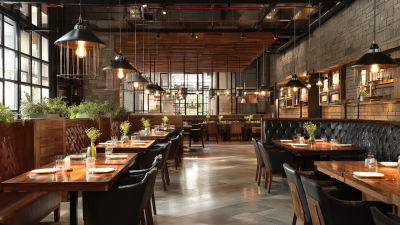
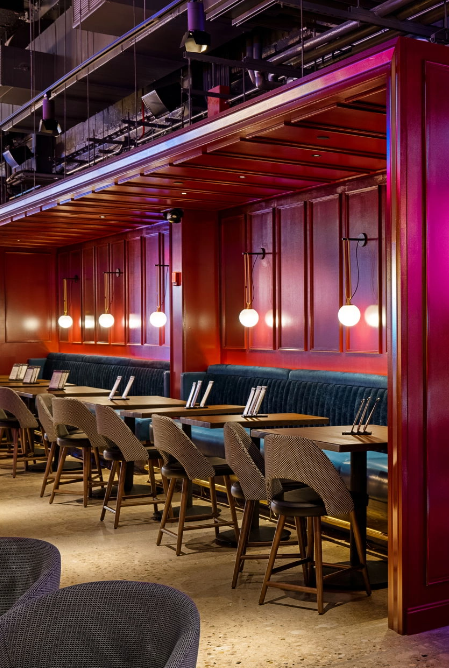
What Is the Best Hospitality Restaurant Furniture in China?
Choosing the best Hospitality Restaurant Furniture in China requires more than comparing prices and attractive catalog images. Furniture must survive heavy daily use, support efficient service, and express the restaurant’s identity. A dining chair may look elegant under showroom lighting, yet wobble after six months on uneven flooring. That detail matters.
China’s catering market reached approximately RMB 5.29 trillion in 2023, according to the National Bureau of Statistics of China. This scale creates strong demand for durable restaurant seating, tables, banquettes, outdoor pieces, and custom furniture. The China Restaurant Association also continues to highlight operational efficiency, consumer experience, and differentiated dining formats. Meanwhile, Grand View Research identifies durability, design flexibility, and hospitality refurbishment as important furniture-market drivers. These reports provide useful direction, but they do not choose a supplier for you.
Martin Brudnizki, a widely recognized hospitality designer, has said, “I don’t believe in trends. I believe in timeless design.” His view is especially relevant in China’s competitive restaurant sector. The best furniture should match local manufacturing capability, cleaning routines, fire-safety expectations, delivery conditions, and repair access. Materials should be inspected closely. Check welds, edge treatments, fabric abrasion ratings, foam density, and moisture resistance. Do not trust polished photographs alone. No supplier is perfect. Even a capable factory may misunderstand color, dimensions, or installation details. A small prototype order can expose those weaknesses early. This article examines how Chinese manufacturers balance craftsmanship, customization, lifecycle cost, and practical restaurant performance.
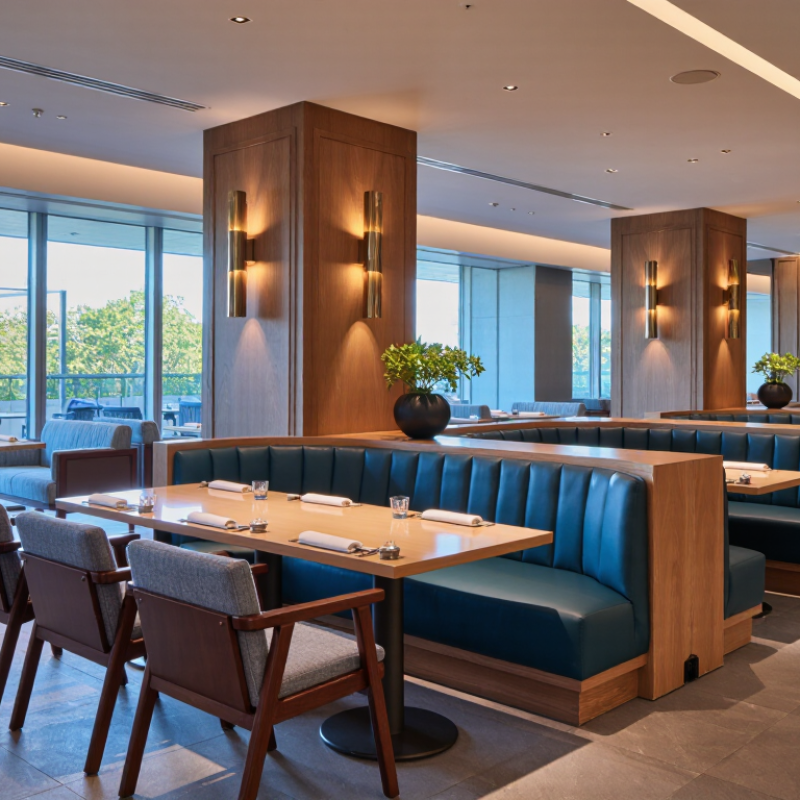
Defining Hospitality Restaurant Furniture in China
Hospitality restaurant furniture in China is more than attractive tables and chairs. It includes seating, dining surfaces, bar stools, booths, outdoor pieces, and service furniture designed for busy commercial spaces. In practice, the best choice balances comfort, durability, cleanability, and visual identity. A chair may look elegant in a showroom, yet feel unstable after long service hours. That difference matters.
China’s restaurant furniture market offers many materials, including solid wood, metal, laminate, upholstery, and engineered panels. Each material suits different operating conditions. For example, sealed surfaces help staff remove sauce, tea, and oil stains quickly. Strong joints reduce movement and maintenance complaints. However, “durable” should not be accepted without evidence. Ask about load testing, moisture resistance, upholstery performance, and production tolerances. Details reveal reliability.
Tips:
Sit on sample chairs for ten minutes. Check edge comfort, seat height, and back support. Inspect welds and joinery closely. Request material samples under real lighting. Confirm cleaning instructions and replacement options before ordering.
A hospitality setting also needs furniture that supports efficient movement. Tables should allow comfortable spacing without wasting floor area. Chairs must stack or move easily when layouts change. In my experience, designers sometimes prioritize appearance too heavily. That can create beautiful rooms with uncomfortable seating. A better evaluation includes staff feedback, guest circulation, delivery access, and expected daily use. The ideal furniture is not always the most fashionable piece.
Key Furniture Types for Hospitality Restaurants
What Is the Best Hospitality Restaurant Furniture in China?
Key Furniture Types for Hospitality Restaurants
Choosing restaurant furniture in China requires more than attractive photos. Practical fit-outs show that tables, chairs, booths, and service stations must work together. Commercial-grade dining tables should resist moisture, heat, and repeated cleaning. Compact round tables support conversation, while square tables make flexible seating easier.
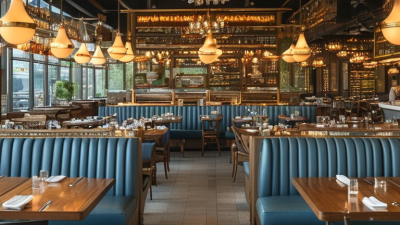
Chairs deserve careful testing. A stable frame, supportive back, and wipeable upholstery can reduce maintenance problems. Booths and banquettes use wall space efficiently, especially in narrow dining rooms. However, fixed seating can limit future layout changes. Measure the aisle before ordering. Small errors become expensive later.
Bar counters and stools create useful seating near windows or open kitchens. Stools should match the counter height, not only its appearance. Host stands, buffet units, and waiter stations also influence service speed. Their surfaces need durable finishes and enough storage for menus, trays, and cleaning supplies. Outdoor restaurants may need aluminum or treated wood, but coastal air can still cause corrosion. Nothing lasts forever. Before production, confirm dimensions, material samples, load capacity, cleaning methods, and local fire and accessibility requirements. A furniture plan that looks perfect on paper may feel crowded during a busy dinner service.
Materials and Construction Standards
What Is the Best Hospitality Restaurant Furniture in China?
Materials and Construction Standards
The best restaurant furniture begins with material discipline, not decoration. Solid timber offers repairability, but moisture can open its joints. High-pressure laminate resists stains and abrasion, making it practical for busy dining rooms. Edge sealing matters. One exposed seam can absorb spilled tea within minutes.
The U.S. Environmental Protection Agency reports that indoor pollutant levels can be two to five times higher than outdoor levels. Therefore, low-emitting panels, adhesives, and finishes deserve careful specification. Ask suppliers for formaldehyde test results, preferably against recognized standards such as EN 717-1 or equivalent requirements. A strong finish should also withstand repeated cleaning without becoming cloudy or brittle.
Construction quality appears in the hidden details. Restaurant chairs should undergo strength and durability testing under standards such as EN 16139 for non-domestic seating. Tables need reinforced corners, adjustable glides, and moisture-resistant cores.
For high-traffic projects, inspect screw connections rather than trusting photographs. Small details decide service life.
Fire performance must follow the destination market’s building rules, because fabric, foam, and wall finishes may require different classifications.
The 2024 Global Status Report for Buildings and Construction emphasizes the importance of material efficiency and lower environmental impact, yet durability remains easy to overlook. Replacing furniture every few years is rarely sustainable.
My practical concern is simple: specifications often look perfect on paper, but factory quality can vary. A sample should face cleaning, loading, and humidity tests before bulk production.
How to Select the Best Furniture for Your Restaurant
Choosing the best hospitality restaurant furniture in China begins with your floor plan, not a catalog. Measure aisles, table spacing, doorway widths, and queue areas before contacting suppliers. A 700-millimeter table may look elegant, yet feel cramped beside a service path. Walk the layout with a tray. This reveals problems drawings miss.
Select frames that match your daily workload, not only your desired style. Commercial chairs should feel stable after repeated use and support different body types. Check welds, joints, edge finishing, and surface resistance against spills, heat, and cleaning chemicals. Ask for samples. Sit for twenty minutes, move the chairs, and inspect them under bright light. For wooden pieces, request information about moisture control and protective coatings. For upholstered seating, examine stitching and cleanability.
Supplier reliability matters as much as appearance. Request material specifications, testing records, production photographs, replacement-part policies, and a clear warranty. Confirm that documents meet the requirements relevant to your location. A small sample order can expose color differences, uneven legs, or weak packaging before a full purchase. Test it daily. I once preferred a softer seat, but it slowed cleaning and showed stains quickly. That choice looked comfortable in the showroom, yet performed poorly during service. Good selection requires honest trade-offs between design, durability, maintenance, guest comfort, and budget. Some attractive details are simply not practical.
What Is the Best Hospitality Restaurant Furniture in China?
How to Select the Best Furniture for Your Restaurant: use these accessibility and space-planning benchmarks when comparing tables, counters, booths, and circulation layouts. The figures are widely used hospitality accessibility references; always verify the final design against applicable Chinese building and accessibility regulations.
How to use this chart: prioritize furniture layouts that preserve at least 915 mm of clear circulation, provide a 1,525 mm turning space where required, and allow approximately 686 mm of knee clearance beneath accessible dining surfaces. These measurements help improve comfort, circulation, and inclusive restaurant design.