7 Best Infrared Heat Mats for Home Use?
Choosing the right Infrared Heat Mat requires more than comparing temperature settings and attractive product photos. Home users need clear information about heat coverage, material quality, electrical safety, cleaning, and realistic wellness expectations. A mat that feels warm across the shoulders may leave the lower legs nearly untouched. Small design details matter.
Market interest is growing. Grand View Research reports that the global infrared sauna market was valued at approximately USD 171 million in 2023, with continued growth projected through 2030. This figure does not represent heat mats alone, but it shows rising consumer attention toward infrared home products. Fortune Business Insights also identifies increasing demand for compact, home-based wellness equipment as a major market trend. Still, market growth is not proof of every health claim.
Evidence needs careful handling. The National Center for Complementary and Integrative Health notes that heat-based practices may support relaxation, but research quality and outcomes vary by application. The U.S. Food and Drug Administration also emphasizes that wellness products should not replace professional medical advice. That warning deserves attention.
Safety comes first.
This guide reviews seven popular Infrared Heat Mat options for home use. It considers heat control, surface comfort, portability, warranty coverage, energy use, and user feedback. Some conclusions remain subjective. Comfort differs between a person working at a desk and someone recovering after exercise. Readers with reduced heat sensitivity, cardiovascular conditions, pregnancy, or implanted medical devices should seek professional guidance before use. A warm mat can be useful, but it is not a universal solution.
What Infrared Heat Mats Are and How They Work
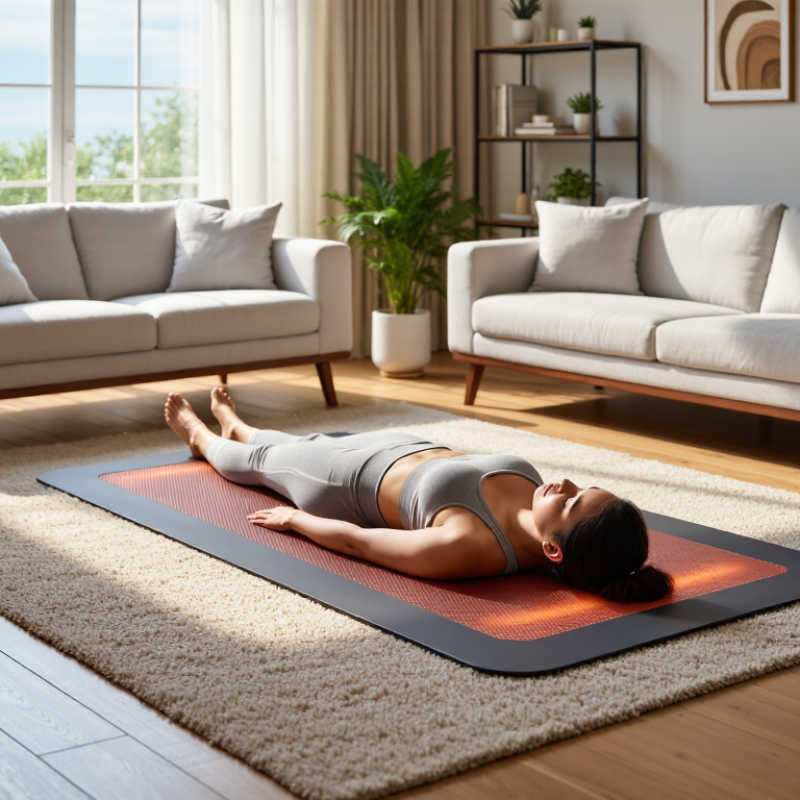
Infrared heat mats use electrical energy to produce infrared radiation, usually through carbon-based heating elements or mineral materials. Unlike a conventional heater, the mat does not mainly warm the surrounding air. It transfers gentle radiant energy to nearby surfaces, clothing, and skin. Think of sunlight touching a cool floor.
The heating process feels gradual and concentrated. When you lie or sit on the mat, infrared energy warms the body’s surface and nearby tissues. Temperature sensors and controllers help maintain a steady level, though performance varies with fabric thickness, room temperature, and body position. A thin towel may feel comfortable, while a thick blanket can reduce the warmth. Small details matter.
In practical use, I would begin with a low setting and a short session. The surface should feel warm, never painfully hot. Stay hydrated, and inspect the power cord before use. People with reduced heat sensitivity may not notice overheating quickly. They should seek professional medical advice before using one. A heat mat is not a treatment for disease, despite some enthusiastic claims online. I also once assumed stronger heat meant better results; that was an unhelpful shortcut. Comfort, steady temperature, and safe timing deserve more attention. Don’t sleep on it. Never cover the controller or use a damaged mat.
7 Best Infrared Heat Mats for Home Use? - What Infrared Heat Mats Are and How They Work
| Rank | Mat Type | Typical Size | Heating Material | Typical Temperature | Power Range | Common Timer Range | Main Strength | Best Home Use |
| 1 | Full-Body Roll-Up Mat | Approx. 68 × 28 in (173 × 71 cm) | Carbon-fiber heating elements | 95–158°F (35–70°C) | 100–180 W | 30–60 minutes | Covers most of the body while remaining foldable | General relaxation and pre-sleep routines |
| 2 | Amethyst-and-Jade Stone Mat | Approx. 36 × 24 in (91 × 61 cm) | Carbon or alloy heating wires with mineral stones | 95–158°F (35–70°C) | 100–180 W | 30–90 minutes | Dense surface retains warmth and provides a firm feel | Back, hips, legs, or localized heat sessions |
| 3 | Portable Lap and Shoulder Mat | Approx. 24 × 16 in (61 × 41 cm) | Flexible carbon-fiber elements | 95–140°F (35–60°C) | 50–100 W | 15–60 minutes | Compact, lightweight, and easy to store | Desk use, reading, or targeted warmth |
| 4 | Extra-Wide Family Mat | Approx. 72 × 32 in (183 × 81 cm) | Carbon-fiber heating elements | 95–158°F (35–70°C) | 150–250 W | 30–60 minutes | Large coverage and more even heat distribution | Tall users or full-back and leg coverage |
| 5 | Infrared Heating Pad | Approx. 24 × 12 in (61 × 30 cm) | Resistive heating wires or carbon fabric | 95–140°F (35–60°C) | 40–100 W | 15–60 minutes | Simple controls and focused heat | Lower back, abdomen, shoulders, or knees |
| 6 | FIR Sauna-Style Mat | Approx. 68 × 28 in (173 × 71 cm) | Carbon heating layer with insulated cover | 95–158°F (35–70°C) | 100–200 W | 30–60 minutes | Designed to warm the body gradually without an enclosure | At-home heat sessions in small spaces |
| 7 | Travel-Friendly Folding Mat | Approx. 32 × 20 in (81 × 51 cm) | Flexible carbon-fiber elements | 95–140°F (35–60°C) | 60–120 W | 15–60 minutes | Easy to fold, carry, and use on different surfaces | Apartments, offices, guest rooms, or travel |
How infrared heat mats work: Electrical resistance in the heating layer produces heat, while far-infrared materials are designed to emit infrared radiation as the surface warms. Most home-use mats operate through adjustable surface temperature and timed sessions rather than medical treatment mechanisms. Specifications are representative ranges for consumer products; always follow the product manual, avoid sleeping on an energized mat, and consult a healthcare professional if you are pregnant or have reduced heat sensitivity.
Key Benefits of Using Infrared Heat Mats at Home
Infrared heat mats can turn a cold floor, sofa, or resting space into a gentle source of warmth. They use infrared energy to warm the body and nearby surfaces, rather than heating an entire room. This can feel comfortable during quiet activities, such as reading or stretching. The warmth may also help muscles feel less tight after a long day, although results vary between individuals.
When comparing the seven best infrared heat mats for home use, look beyond temperature settings. A useful mat should heat evenly, include a reliable timer, and have a surface that feels stable under the body. Some models are thin enough to store under a bed. Others provide firmer support for seated use. Small details matter. A stiff cable can become annoying very quickly.
The practical benefit is controlled, personal warmth. You can warm one area without turning up the central heating for the whole house. That may reduce wasted energy in some situations, but the savings depend on electricity rates and usage time. Claims about detoxification or disease treatment deserve caution. A heat mat is not a medical cure. It may also feel too intense for people with reduced heat sensitivity. Test a low setting first, keep the timer short, and never sleep on a heated mat unless the instructions clearly allow it. The experience can be pleasant, but it is not automatically safer because it feels gentle.
How to Compare the Seven Best Infrared Heat Mats
Comparing the seven best infrared heat mats requires more than checking the highest temperature. Start with heat coverage, adjustable settings, timer length, controller clarity, and washable materials. A mat should warm evenly across the back, hips, or legs. Cold corners are a practical warning sign.
Safety deserves equal weight. The International Electrotechnical Commission’s IEC 60335-2-17 standard covers flexible electric heating appliances, including heating pads and blankets. Check whether each model provides clear electrical ratings, overheating protection, and inspection documentation. The U.S. Consumer Product Safety Commission also advises users to inspect cords, plugs, and fabric for damage before use. Never ignore a warm connector.
Infrared claims need careful reading. Wavelength ranges alone do not prove deeper comfort or better recovery. Look for independent temperature testing, measured power consumption, and transparent operating instructions. The Global Wellness Institute reported that the wellness economy reached about 6.3 trillion dollars in 2023, showing strong consumer interest in home wellness products. Market popularity is not performance evidence. Compare the seven mats by verified data, not glossy language. I would also consider storage weight and controller noise, because small annoyances become important during regular use. Some comparisons overlook this. That is a mistake. рҟ
How to Compare Seven Infrared Heat Mats
Power density helps compare heating output across different mat sizes. Higher values generally indicate more electrical power per square metre, while temperature control, safety certifications, material quality, and intended use should also be checked before purchase. Specifications can vary by model and operating setting.
Safety Features and Proper Home Usage Guidelines
When comparing seven infrared heat mats for home use, safety should guide your choice, not maximum temperature. Select a mat with adjustable heat, a reliable timer, overheat protection, and an undamaged power cord. Use it on a flat, stable surface. Check for cracks, exposed wiring, or unusual smells before every session. Stop using it if anything seems wrong. Comfort can hide a problem.
Begin with the lowest comfortable setting and increase it slowly. Follow the recommended session time; longer exposure is not automatically better. Wear a thin layer of clothing or place a towel between your skin and the mat. Never sleep on it, cover the controller, or use it near water. Children, pets, and people with reduced heat sensitivity require supervision. People with diabetes, circulation problems, pregnancy, or skin conditions should consult a qualified clinician first. Stop immediately if dizziness, nausea, numbness, or unusual fatigue develops.
Tips: Set the timer before lying down. Keep water nearby, but away from electrical controls. Check your skin afterward for lasting redness. It is easy to underestimate how quickly heat builds under a blanket. Use a firm surface, let the mat cool completely, and store it dry. Record each setting and session length. This simple habit can reveal patterns in your comfort and help prevent careless overuse.