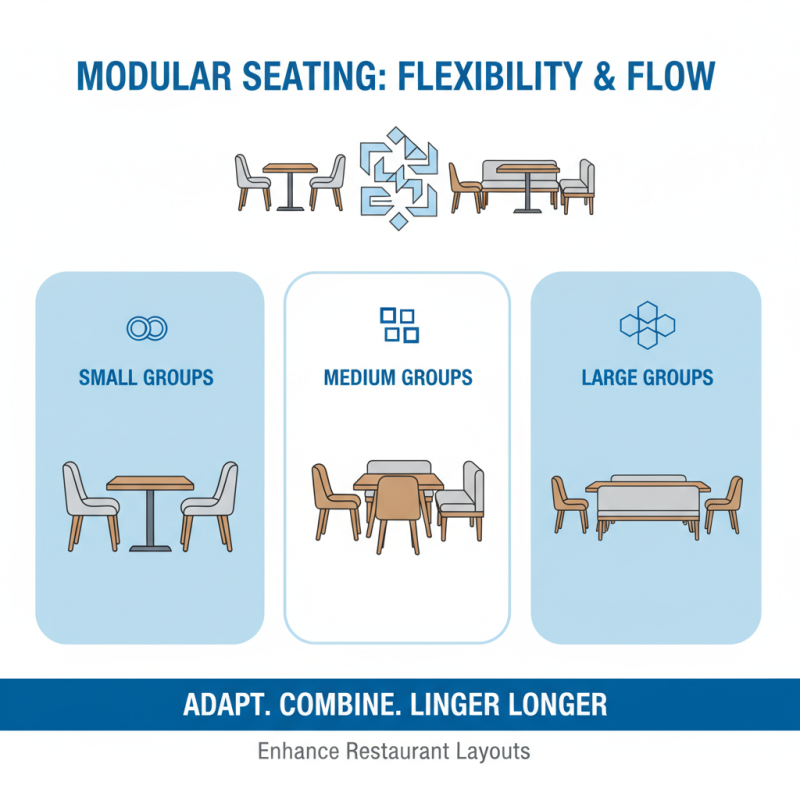
What is the Best Restaurant Seating Table for Your Space?
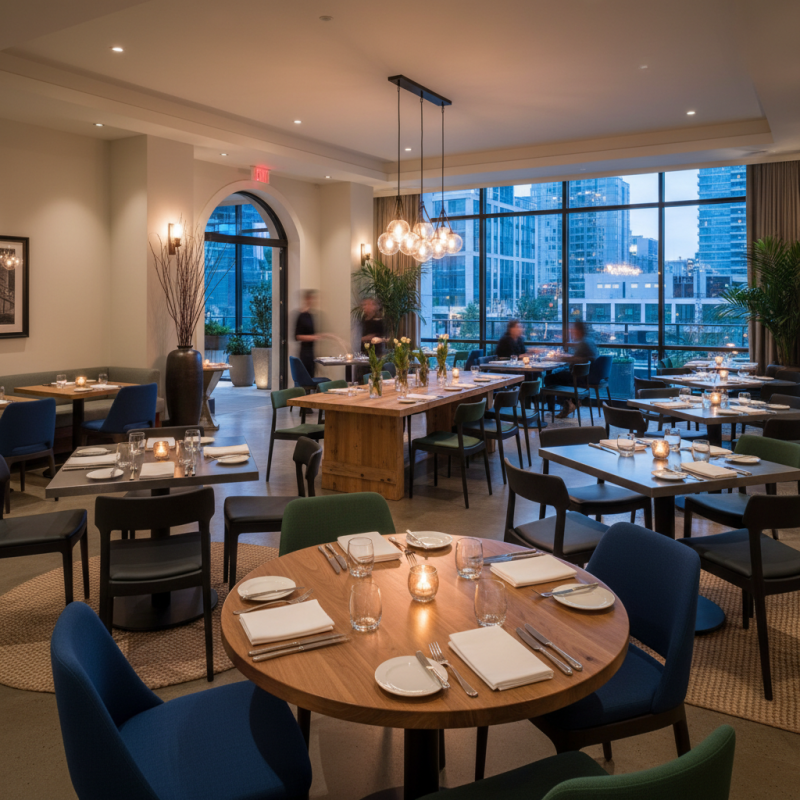
Choosing the right restaurant seating table is crucial for any dining space. It impacts both aesthetics and functionality. A well-chosen table can elevate the atmosphere of a restaurant. It can encourage customers to linger and enjoy their meals.
Consider the size of your restaurant. A larger space allows for bigger tables, which can accommodate groups. However, smaller tables can create intimacy and promote conversation. Think about the material of the restaurant seating table. Wood offers warmth, while metal gives a modern feel.
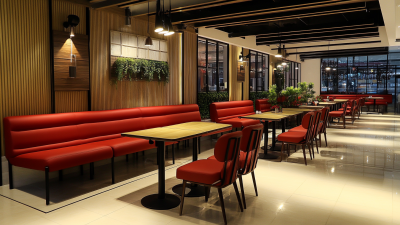
Placement is also important. Tables should be arranged to allow easy movement for both staff and customers. Reflect on how different arrangements can affect the dining experience. A poorly placed table can lead to discomfort. Balance is key. It’s essential to create a space that feels inviting. Sometimes, it’s necessary to reassess your choices to find the best fit for your vision.
Understanding Your Restaurant's Layout and Space Constraints
Understanding your restaurant's layout is crucial. Effective seating maximizes space and enhances customer experience. According to a 2022 report by the National Restaurant Association, seating design impacts both flow and profit margins.
Consider how tables fit within your area. The average table occupies about 15-20 square feet. It’s imperative to calculate available space. Too many tables lead to cramped conditions. Limited mobility can frustrate both staff and guests. Restaurant flow is vital. Research shows that a well-arranged dining area can increase turnover rates by 20%.
Open layouts or cozy nooks can create different vibes. Many restaurants overlook the importance of ambiance. A mix of table sizes can cater to various groups, boosting revenue. Yet, careful balance is needed. Overcrowding or poor layout may deter customers. It’s a challenge to match seating capacity with comfort. Striking this balance is a process that requires constant reassessment.
Best Restaurant Seating Options by Space Size
This chart illustrates the percentage of various seating options suitable for different restaurant space sizes, helping you understand the best tables for your layout constraints.
Choosing the Right Materials for Restaurant Seating Tables
Choosing the right materials for restaurant seating tables is crucial. Different materials offer unique advantages. For example, wood provides warmth and charm. It can attract customers looking for a cozy atmosphere. However, wood tables often require more maintenance. Spills can damage the surface, leading to costly repairs.
Metal is another popular choice. It's durable and easy to clean. Many restaurant owners prefer stainless steel for its modern look. A recent industry report showed that 75% of restaurants using metal tables reported lower maintenance costs. But, metal can feel cold, potentially deterring some customers.
Plastic tables are lightweight and versatile. They can be moved easily for events. However, they often lack the aesthetic appeal of wood or metal. A study found that 60% of diners prefer tables that look higher quality. Balancing durability and design is key. Reflecting on these choices can help restaurant owners create a welcoming space.
Evaluating Table Shapes and Sizes for Optimal Guest Experience
Choosing the right seating table for a restaurant is crucial. The table shape significantly impacts the guest experience.
Round tables facilitate conversation and create a cozy atmosphere. They are ideal for small groups. However, they may not maximize space efficiency.
Rectangular tables are more versatile. They can accommodate varying group sizes. Tight arrangements can be made for larger crowds.
Yet, that can make some guests feel cramped. Consider the overall flow of the dining area. Movement should be easy. Guests should not feel squeezed as they navigate through the space.
Square tables offer a balanced feel. They work well in pairs or larger setups.
But they don't always fit every corner. Think about the layout and ambiance. Each shape presents unique opportunities and challenges.
Evaluate how each table interacts with the rest of the environment. Measure your space accurately to make the best choices.
Incorporating Style and Theme into Table Design
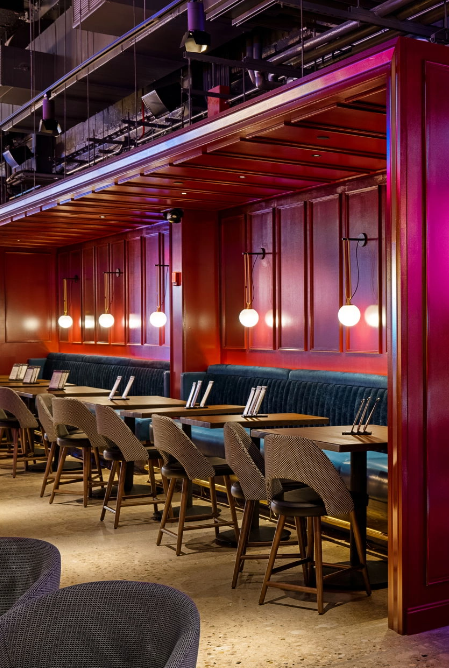
Choosing the right restaurant seating table involves more than just function. Style and theme play a crucial role. The design should reflect your restaurant's atmosphere. Whether it's rustic, modern, or eclectic, your tables should fit seamlessly.
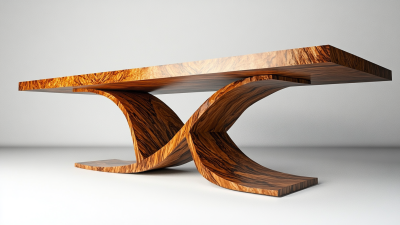
When incorporating style, consider the materials. Wood adds warmth, while metal can introduce an industrial feel. Look for tables that echo these themes. Remember, having a cohesive look creates an inviting space.
**Tips:** Think about shapes too. Round tables encourage conversation, while rectangular ones maximize space. A mix of table sizes can cater to different group sizes.
Reflect on the color palette. Tables should complement walls and decor. Don't be afraid of patterns, but ensure they don’t overwhelm the space. Overly loud designs can distract diners. Balance is key.
What is the Best Restaurant Seating Table for Your Space? - Incorporating Style and Theme into Table Design
| Table Type |
Material |
Style |
Best For |
| Square Table |
Wood |
Rustic |
Small Spaces |
| Round Table |
Metal |
Modern |
Casual Dining |
| Rectangular Table |
Glass |
Contemporary |
Large Gatherings |
| Bar Table |
Wood/Metal |
Industrial |
Pubs & Bars |
| Outdoor Table |
Plastic/Wood |
Beachy |
Patios & Decks |