How to Choose Fitness Tracker Watches for Global Buyers?
Choosing Fitness Tracker Watches for global buyers requires more than comparing step counts and screen sizes. The market is expanding, but product quality differs sharply across regions. IDC’s Worldwide Quarterly Wearable Device Tracker estimated about 520 million wearable devices shipped globally in 2023. That figure includes smartwatches, basic watches, and other wearable products. It shows strong demand, not automatic value.
A practical choice begins with the user’s daily routine. A runner may need reliable GPS, five-day battery life, and clear outdoor visibility. A frequent traveler may prefer broad phone compatibility, multiple language options, and local charging support. Someone tracking sleep needs a comfortable case, gentle vibration, and dependable overnight recording. Small details matter. A watch that feels heavy at bedtime may remain in a drawer.
Industry research can guide decisions, but it cannot replace hands-on testing. The American College of Sports Medicine’s Worldwide Survey of Fitness Trends has repeatedly placed wearable technology among leading fitness trends. This supports continued consumer interest, while also revealing a weakness: popular features are not always accurate features. Heart-rate results can change with skin contact, movement, and sensor placement.
Global buyers should examine measurement methods, app privacy controls, warranty coverage, replacement policies, and regional software restrictions. Battery claims also deserve caution. Manufacturers often test under ideal conditions. Real-world use includes notifications, GPS sessions, cold weather, and frequent screen checks. No specification sheet tells the whole story. This guide compares Fitness Tracker Watches through evidence, usability, and long-term ownership value, while recognizing that no single model fits every body, budget, or country.
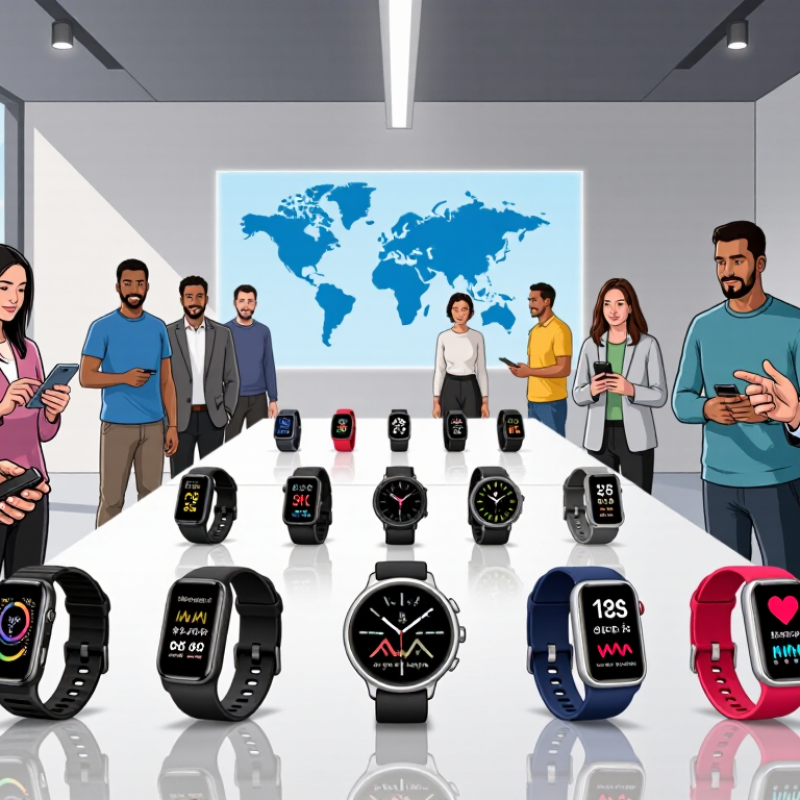
Define Your Fitness Tracking Goals and Daily Use Requirements
Choosing a fitness tracker watch starts with your real goals, not its feature list. Decide what you want to measure each day. Step counts suit an active commute. Heart-rate trends may help during structured exercise. Sleep tracking can reveal late meals, restless nights, or inconsistent bedtimes. Avoid buying advanced functions you will rarely use.
Picture your normal routine. Do you run outdoors before work, cycle on weekends, or sit at a desk for eight hours? Outdoor training may require reliable GPS and clear screen visibility. Daily wear needs comfortable materials, simple controls, and a battery that lasts through several nights. If you swim, check the stated water-resistance rating carefully. Water resistance is not permanent.
Your environment matters as well. Buyers in different regions may need local language support, metric or imperial units, and charging compatibility. Review how data is stored and shared before connecting personal health information. A tracker can support better habits, but its readings are not perfect. Wrist movement, loose fitting, skin temperature, and tattoos may affect results. I once trusted a low sleep score too quickly, then noticed the watch was loose. Use repeated patterns instead of one unusual reading. Fitness goals also change. A simple device may be enough now, while a training-focused model could become useful later.
How to Choose Fitness Tracker Watches for Global Buyers?
Define Your Fitness Tracking Goals and Daily Use Requirements
Use these evidence-based reference targets to identify the features you need. Choose a tracker with workout-duration tracking, heart-rate monitoring, activity reminders, strength-session logging, or sleep tracking according to your personal goals. The values use different units and should be treated as a planning checklist rather than a direct ranking.
Reference basis: World Health Organization physical activity guidance and adult sleep recommendations from the American Academy of Sleep Medicine and Sleep Research Society.
Compare Core Health, Activity, and Smart Features
How to Choose Fitness Tracker Watches for Global Buyers?
A useful fitness tracker should measure more than daily steps. Check its core health features, including heart-rate monitoring, sleep tracking, blood oxygen estimates, and stress trends. These readings can reveal patterns, but they are not medical diagnoses. Sensor accuracy may change with skin movement, tattoos, loose straps, or cold hands. Look for clear testing information and adjustable measurement settings.
Activity features should match your routine. Runners may need built-in positioning, pace alerts, route tracking, and reliable workout records. Swimmers should check water resistance ratings and pool-length settings. For strength training, automatic exercise detection can save time, although it may confuse similar movements. Battery life matters during long hikes. A watch that needs charging every night may miss valuable sleep data.
Smart features add convenience, not necessarily fitness value. Review call alerts, message previews, emergency contacts, music controls, language support, and phone compatibility before purchase. Global buyers should also check regional software access, charging standards, privacy policies, and data-export options. Some watches look impressive in a shop but feel uncomfortable after eight hours. Small buttons can frustrate wet fingers. I would compare real-world comfort with technical specifications, because the best sensor is useless when the watch stays in a drawer.
Evaluate Battery Life, Comfort, Durability, and Design
Global buyers should judge fitness tracker watches beyond step counts and screen appeal. IDC’s 2024 Worldwide Quarterly Wearable Device Tracker estimated 537.6 million wearable devices shipped worldwide. That scale creates many choices, but not every model suits humid commutes, cold mornings, or long-distance travel. Battery life should match real routines. A device lasting seven days on paper may last three with GPS, notifications, and bright displays enabled. Test the charging cable, too. A proprietary charger can become inconvenient abroad.
Comfort affects data quality. A heavy case, stiff strap, or sharp sensor edge may encourage users to remove the watch during sleep. Check case weight, strap ventilation, and adjustment holes. Durability also deserves evidence, not advertising language. Look for published water-resistance limits, temperature guidance, screen-glass testing, and repair information. The IP Code standard explains dust and water protection, but an IP rating does not guarantee safe use in every swimming environment. Design should remain readable outdoors and simple enough for quick interaction. Extra features can become visual clutter.
Tips: Wear the watch for two hours before buying. Walk, sweat, and bend your wrist. Record battery loss during one GPS workout. Compare the measured result with the advertised figure. Leave room for doubt; laboratory claims and daily use rarely match perfectly. Choose replaceable straps, multilingual support, and a charger compatible with your travel setup. The American College of Sports Medicine recommends regular moderate activity, yet a tracker cannot make an uncomfortable design disappear.
Assess Regional Availability, Pricing, Warranty, and Support
How to Choose Fitness Tracker Watches for Global Buyers?
Regional availability should guide your purchase before design or features. Check whether the watch is officially sold in your country. Local availability usually means clearer taxes, safer returns, and faster repairs. Confirm language options, mobile compatibility, and health features for your region. Some functions may differ because local regulations and approval requirements vary.
Price comparisons require more than checking the product page. Include delivery fees, import taxes, replacement straps, and possible service charges. A low price can become expensive after arrival. I compare at least three authorized sellers and save screenshots of their warranty terms. Warranty length matters, but coverage details matter more. Check who pays shipping, where repairs occur, and whether accidental damage is excluded. Customer support should offer local contact methods, clear response times, and written troubleshooting guidance. I once overlooked support hours, and a simple pairing issue lasted several days. That mistake still influences my buying checklist.
Tips: Verify the seller’s return address before paying. Ask support whether your phone model is compatible. Keep the invoice and serial number securely. Read warranty exclusions carefully. Test notifications, charging, and tracking soon after delivery. Reviews can reveal recurring problems, but they are not perfect evidence. Balance user experience with official documentation, local consumer protection rules, and realistic repair access. Support quality often becomes visible only after something fails. That is easy to underestimate.