

Choosing a Tt Racket in 2026 is not just about buying the fastest blade or the thickest sponge. The best option should suit your current skills, playing style, and comfort level. A racket that feels quick in a product description may feel difficult to control at the table.
Start with the basics: blade feel, rubber grip, handle shape, and overall weight. Offensive players may prefer a faster setup, while beginners often benefit from a balanced racket that supports steady returns and accurate placement. There is no single perfect combination. Small details matter. A handle that feels secure during a short test can make longer practice sessions more comfortable, while overly fast rubber may send simple shots long. Check product specifications, care guidance, and seller credibility before you buy. When possible, compare rackets in person or ask a qualified coach to assess your needs.
This guide explains how to weigh those factors without treating marketing claims as guarantees. It also considers budget, durability, maintenance, and whether a ready-made or custom setup makes sense for your experience. A higher price does not automatically mean better performance for you. I may be giving too much attention to control here; confident attackers may reasonably prioritize speed. The useful choice is the one you can handle consistently and improve with over time. Be prepared to reassess it as your technique develops.
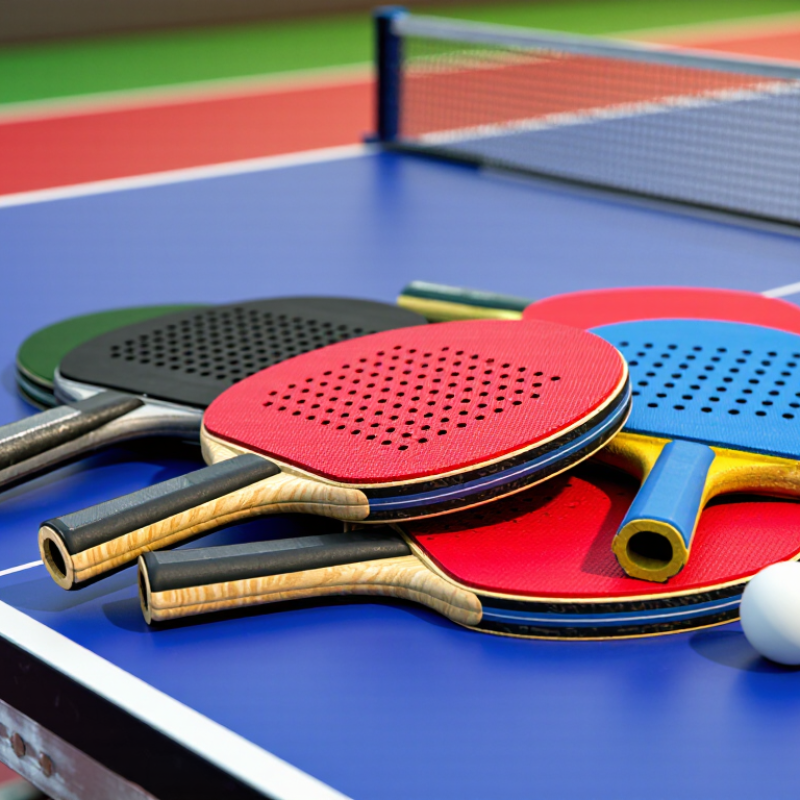
Choosing a table tennis racket starts with an honest look at your playing style. Do you open rallies with heavy topspin, block close to the table, or rely on controlled placement? Notice what happens during ten minutes of real play: where you stand, which shots feel reliable, and where the ball keeps flying long. Small details matter. A fast setup can feel exciting, then punish inconsistent timing. A more controlled racket may help you keep returns low while learning footwork and spin.
Your skill level and goals should guide the balance between speed, control, and spin—not a product label. Beginners often benefit from predictable feedback; developing players may prefer more pace once their strokes stay consistent. Set a measurable goal, such as landing eight of ten controlled backhand returns, and test equipment against it.
The ITTF Handbook’s equipment rules state that a blade must be at least 85% natural wood, while sandwich rubber cannot exceed 4 mm in total thickness, including adhesive (Laws 2.4.3–2.4.4). These limits define legal construction, not playing quality. Regulations are not a performance ranking.
Grip the handle, make several shadow swings, then try slow drives and blocks. Reassess after a few sessions; your first impression may be wrong.

How to Choose the Best TT Racket in 2026?
A blade’s speed matters, but control decides whether that speed is useful. Start by matching the blade to your current technique, not an imagined future game. If your shots often sail long, a more controlled blade can make placement easier. If rallies feel slow and your strokes are already compact and consistent, a faster option may add useful pace. Feel matters. The right balance lets you drive through the ball without losing confidence in short pushes or blocks.
Consider the whole racket, not the blade alone. Rubber thickness and grip can change the feel, weight, and response in your hand. A blade that seems manageable in a shop may feel tiring after several games. Test a few options with familiar strokes: serve, push, counter, and loop. Notice where the ball lands, how easily you adjust, and whether your arm stays relaxed. One test session is not perfect evidence, but it can reveal obvious mismatches.
Tips: Choose a comfortable handle and a blade you can control at medium effort. Ask to try similar setups, and compare them with the same balls and strokes. Keep notes. Your first impression may change.
A good table tennis racket starts with the rubber, not the biggest speed number on a package. Inverted rubber has a smooth surface that grips the ball, making it a versatile choice for topspin, serves, and controlled blocks. Short pips feel more direct and can help with quick hits close to the table. Long pips can disrupt an opponent’s rhythm, but they demand practice and careful placement. Feel matters.
Sponge thickness changes how much energy the rubber adds to a shot. Around 1.5 to 1.8 millimeters often gives developing players better control and a clearer sense of contact. A thicker sponge, roughly 1.9 millimeters or more, can add pace and spin, but mishits may travel long. These ranges are only a starting point; labels and playing styles vary. Not always. If your forehand loops confidently but your backhand blocks float, consider a thinner, steadier rubber on the backhand rather than changing both sides. It is easy to blame the rubber when footwork or timing is the real issue. Test one change at a time, and notice whether the ball lands where you intended. A few practice sessions tell you more than a quick bounce test.
How to Choose the Best TT Racket in 2026?
Grip, weight, and balance should feel comfortable before speed enters the picture. Hold the handle as you would during a normal rally; your fingers should wrap around it without squeezing. Shakehand and penhold grips need different handle shapes, so test both if you are unsure. A racket that feels light in your hand may still feel head-heavy during quick blocks. Try several strokes, then notice whether your wrist stays relaxed. Small details matter.
Weight has no single ideal value. A heavier racket may feel stable, but can tire your arm during long sessions. A lighter one may be easier to move, yet feel less steady on hard returns. Check balance by resting the racket across one finger near the handle and noticing where it tips. That test is rough, not scientific. The SFIA 2024 Topline Participation Report estimates about 3.2 million U.S. table-tennis participants in 2023, reflecting play across many levels—not one universal equipment need.
Check the rules before choosing coverings. The ITTF Handbook requires at least 85% natural wood in the blade’s thickness; sandwich rubber, including adhesive, must not exceed 4 mm. One racket side must be black, while the other must be a clearly distinguishable bright color. Those details matter in sanctioned play. For casual games, they may matter less, but checking early avoids a frustrating surprise. I would still prioritize a secure grip over chasing a perfect specification.
| Factor | What to Check | Practical Guidance | Rule or Important Fact |
|---|---|---|---|
| Grip and handle | How comfortably the handle sits in your hand; whether you use a shakehand or penhold grip. | Choose a handle that allows a relaxed hold and easy wrist movement. If possible, test it with your usual grip before buying. | Table tennis rules do not prescribe a specific handle shape or grip style. |
| Total weight | The weight of the assembled racket, including its blade and coverings. | Many assembled rackets weigh roughly 150–200 g, but this is a common product range, not an official standard. A lighter racket may feel easier to maneuver; personal comfort matters most. | The rules set no general minimum or maximum racket weight. |
| Balance | Whether the racket feels handle-heavy, evenly balanced, or head-heavy when held. | A handle-heavy feel can seem easier to reposition; a head-heavy feel can make the racket feel more substantial through the swing. These are subjective impressions—test your preferred balance. | There is no official balance-point requirement for a racket. |
| Blade construction | Blade feel, thickness, and whether it is made only of wood or includes other materials. | Choose a blade that feels controllable during blocks and rallies. If you play in regulated competition, check that the racket complies with the current rules. | Under ITTF rules, at least 85% of a blade’s thickness must be natural wood. The blade must be flat and rigid. |
| Rubber and sponge thickness | The covering type and its total thickness, including adhesive. | Select a covering that suits your control and spin needs. Check the thickness if you compete under ITTF rules. | Sandwich rubber, including adhesive, may be no thicker than 4.0 mm; ordinary pimpled rubber, including adhesive, may be no thicker than 2.0 mm. |
| Racket colors | The color and visibility of the covering on each side. | For competitive play, make sure the two sides meet the current color and visibility requirements. | One side must be black; the other must be a bright color clearly distinguishable from black and from the ball. |
| Playing style | Your usual strokes, rally distance, and preference for control, spin, or speed. | Beginners often benefit from a racket that feels predictable and easy to control. More experienced players may prefer equipment matched to their established technique. | There is no official racket specification for a particular playing style; fit and preference are personal. |
Note: Weight ranges and balance descriptions are practical buying guidance, not official limits. For sanctioned competition, confirm that the racket coverings comply with the current ITTF rules.
A good table tennis racket should fit your budget without making every rally feel like a compromise. Entry-level models often suit casual play, while frequent players may value replaceable rubbers and a sturdy handle. Check the edge tape, blade surface, and handle joints; these small details can reveal rough construction. A low price is useful, but not if the racket feels loose after a few sessions.
Durability depends on care as well as materials. Wipe the rubber with a damp cloth, let it dry, and store the racket in a case away from heat. Rubber loses grip over time, especially with regular use. That matters. Still, advertised lifespan is hard to compare because playing frequency and storage habits vary. Treat durability claims as estimates, not guarantees.
Hands-on feel is personal, so try a racket before buying when possible. Hold it with your usual grip and notice whether the handle presses into your palm. Make a few controlled forehand and backhand strokes. Does the racket feel too heavy at the tip, or steady during a quick block? Feel it first. A faster setup may seem exciting, yet beginners can struggle to control it. I would not judge comfort from one swing alone; a short practice session may change your impression.
Compare budget value, durability, and hands-on feel using this illustrative 1–5 decision aid.
Scores are example preference ratings, not product test results or market statistics. Before buying, check the racket’s price, construction, and whether its rubber can be replaced.
©2024 Pine Vista LLC, DBA Design Manufacturing Group. All Rights Reserved.


©2024 Pine Vista LLC, DBA Design Manufacturing Group. All Rights Reserved.
