

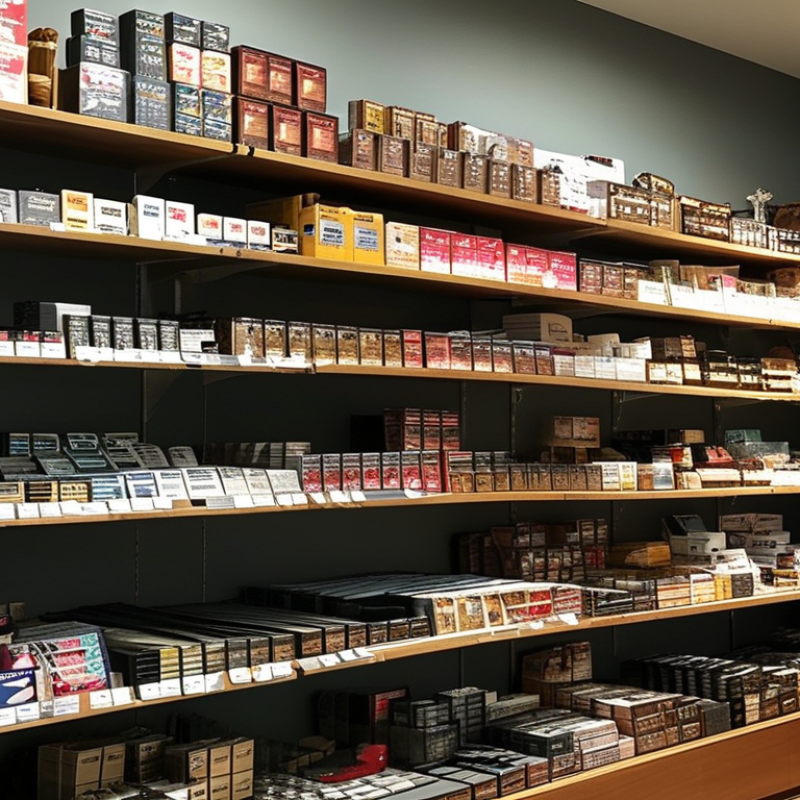
smoke shop shelves are more than storage fixtures. They shape product visibility, customer movement, and the perceived reliability of a specialty retail space. A well-planned wall unit keeps packaging facing forward, leaves clear sightlines, and places frequently compared products at eye level. Small details matter. A loose hook can damage trust.
Industry reports show why this subject deserves careful attention. Grand View Research identifies retail shelving as a growing fixture segment, supported by store renovation and improved merchandising needs. The National Retail Federation’s 2024 forecast placed expected U.S. retail sales between $5.23 trillion and $5.28 trillion. These reports do not isolate smoke shops, which is an important limitation. Still, they reveal a broader retail pressure: every square meter must work harder.
Retail behavior expert Paco Underhill wrote, “The customer is not a statistic. The customer is a person.” His point applies directly to smoke shop shelves. Customers need calm navigation, readable labels, stable displays, and enough space to examine lawful, age-appropriate merchandise responsibly. Bright lighting may improve visibility, but excessive glare can make packaging difficult to read. Tall shelving may increase capacity, yet it can also create blind spots.
This guide examines shelf types, materials, layouts, safety considerations, and maintenance practices. It also questions common assumptions. More products do not always create better sales. Sometimes, restraint works better. The right shelving system should support staff efficiency, customer confidence, and a clean, compliant retail environment.
What Are Smoke Shop Shelves and How Do They Work?
Definition and Purpose of Smoke Shop Shelves
Smoke shop shelves are retail fixtures designed to display legal, age-restricted tobacco, nicotine, and related accessories. Their purpose is practical: protect products, organize inventory, and help adult customers compare options clearly. A good shelf keeps frequently requested items within reach while placing fragile products at safer heights.
Shelf design also affects buying behavior. Euromonitor International reports that retail remains an important channel for tobacco and nicotine product purchases worldwide, despite growing digital sales. This makes physical presentation valuable. Clear labels, stable dividers, and measured spacing reduce confusion at the counter. Small details matter.
In daily retail planning, shelves must support both visibility and compliance. Lockable sections can protect higher-value products. Adjustable tiers allow stores to change displays as demand shifts. According to the National Association of Convenience Stores’ State of the Industry Report, in-store sales remain central to convenience retail performance, showing why efficient fixtures deserve attention.
However, more shelves do not always create a better store. Crowded rows can hide price information and slow service. I have seen layouts that looked full but performed poorly. That is worth questioning. The best arrangement usually leaves enough breathing room for product inspection, cleaning, stock checks, and clear age-verification procedures. Shelf materials should also resist frequent wiping, because appearance quietly influences customer trust.

Typical minimum vertical clearance for common smoke shop product formats
Smoke shop shelves are retail fixtures designed to organize, protect, and present products at accessible viewing heights. Clearance requirements vary by packaging and product shape, so smaller items can use compact shelves while glassware and larger water pipes require more vertical space.
Smoke shop shelving organizes legal retail accessories while keeping products visible and easy to inspect. Wall-mounted shelves save floor space and work well behind a service counter. Gondola units stand independently and allow access from both sides. Slatwall panels use adjustable hooks and brackets, making layout changes relatively simple. Glass display cases add security and present small, valuable items clearly. Countertop risers suit compact products and encourage careful browsing.
Materials affect durability, appearance, and maintenance. Powder-coated steel supports heavier displays and resists daily wear. Tempered glass creates a clean view and handles moderate impact better than ordinary glass. Laminated wood gives the shop a warmer, furniture-like appearance. Acrylic is lightweight and useful for risers, dividers, and price holders. Each material has limits. Acrylic can scratch, while glass still needs proper edge protection.
A reliable shelving plan starts with measuring wall width, ceiling height, and walking clearance. Check the weight rating before loading every level. Adjustable shelves help separate tall boxes from smaller items. Soft LED lighting can reduce dark corners without creating harsh reflections on glass. Lockable cases may improve control near busy counters. One practical lesson is easy to overlook: a beautiful fixture can still slow restocking. Leave enough hand space behind and between displays. Recheck the layout after a week. Customer movement may reveal problems the original plan missed.
Smoke shop shelves are more than storage units. They guide attention, protect products, and make the shopping experience easier. In a well-organized store, shelves separate glass accessories, papers, storage items, and maintenance supplies. Clear zones reduce confusion. They also help staff answer questions accurately.
Shelf design affects how products are seen and handled. Adjustable shelves suit different package sizes, while sturdy materials support heavier display pieces. Glass doors can protect delicate items from dust and accidental damage. Open shelving improves access, but it needs careful spacing. Crowded displays hide useful details. Small labels, consistent pricing, and bright but controlled lighting improve trust. Age-related notices should appear where local rules require them. I have found that a tidy shelf does not always create a good display. Sometimes it feels too empty, which may make customers overlook practical products.
Tips: Keep fast-moving items at eye level. Place fragile pieces away from shelf edges. Leave enough space for comfortable browsing. Check labels and prices regularly. Use a simple layout that new staff can understand quickly. Review the arrangement every few weeks, because customer behavior may reveal flaws that look invisible during planning.
What Are Smoke Shop Shelves and How Do They Work?
Smoke shop shelves organize lawful, age-restricted merchandise for controlled access and clear product viewing. Their design combines adjustable tiers, secure cabinets, strong lighting, and readable price labels. Visibility matters. Customers should identify shapes, materials, and basic product differences without handling every item.
A practical shelf keeps frequently requested products between waist and eye level. Lower tiers can hold reserve stock, reducing clutter and unnecessary bending. Lockable sections protect higher-value merchandise while allowing staff to serve customers efficiently. Rounded edges, anchored frames, and stable bases also reduce injury risks. The National Retail Federation’s 2023 National Retail Security Survey reported an average retail shrink rate of 1.44% in 2022. Secure shelving cannot prevent every loss, but it can reduce blind spots and improve staff awareness.
Lighting deserves more attention. Even illumination helps customers read labels and helps employees notice damaged packaging. POPAI’s Mass Merchant Shopper Engagement Study found that 76% of shoppers changed their purchase decisions inside stores. That finding supports visible, well-organized displays, not crowded shelves. Still, more products do not always mean better access. A shelf packed too tightly may hide important information and slow service. The compromise is real. Good shelving should support safe browsing, quick replenishment, and responsible staff supervision. Small details often matter most.
| Shelf Type | Typical Dimensions | Typical Load per Shelf | Access Method | Safety and Control | Visibility Benefit | Best-Fit Merchandise |
|---|---|---|---|---|---|---|
| Freestanding Gondola | 36–48 in. wide; 72–84 in. high; 12–18 in. deep | 100–250 lb | Open, two-sided customer access | Use adjustable feet, level floors, and wall or floor anchoring where required | Displays products at multiple eye and hand levels | Packaged accessories, rolling papers, storage containers, and small boxed items |
| Wall-Mounted Shelving | 24–48 in. wide sections; 8–16 in. deep; installed at varied heights | 50–150 lb | Front access from the sales floor | Requires secure attachment to suitable wall structure and evenly distributed weight | Keeps merchandise visible while preserving floor space | Glass pieces, accessories, packaged products, and display cards |
| Lockable Glass Cabinet | 30–48 in. wide; 36–72 in. high; 12–20 in. deep | 75–200 lb | Staff-assisted access through hinged or sliding doors | Lockable doors reduce handling and help protect fragile or high-value items | Clear panels provide product visibility from several viewing angles | Fragile glassware, premium accessories, and items requiring controlled access |
| Countertop Display Shelf | 12–36 in. wide; 8–16 in. high; 6–12 in. deep | 10–50 lb | Direct customer viewing with staff nearby | Raised edges or dividers help prevent small items from sliding or falling | Places compact products within easy viewing distance at checkout | Small accessories, cleaning tools, batteries, and impulse-purchase items |
| Slatwall or Pegboard System | Panels commonly 24–48 in. wide; hooks and shelves vary by layout | 10–75 lb per accessory or shelf, depending on mounting hardware | Open access or staff-controlled hooks | Hooks should be locked or capped when needed; load limits must be followed | Flexible spacing supports clear grouping and front-facing presentation | Hanging accessories, packaged goods, tools, and lightweight merchandise |
| Rolling Display Rack | 24–48 in. wide; 48–72 in. high; 12–20 in. deep | 50–150 lb | Open access; rack can be repositioned | Locking casters reduce movement during use; aisles must remain unobstructed | Allows seasonal or promotional merchandise to be moved into high-traffic areas | Lightweight packaged products and rotating promotional displays |
Smoke shop shelves are retail fixtures designed to organize lawful smoking accessories and related merchandise. They combine display space, storage, lighting, and security features in one system. Adjustable tiers help staff change product layouts as inventory changes. Clear sightlines also make browsing easier and reduce clutter.
When choosing shelves, measure the room before selecting a style. Leave enough space for comfortable movement and routine cleaning. Check each shelf’s load rating, especially for glass items or heavier display containers.
Tempered glass, coated metal, and sealed wood offer different maintenance benefits. Rounded edges can improve safety in busy areas. Lighting should show product details without creating harsh reflections. A warm, even light usually feels more inviting.
I once underestimated shelf depth during a layout change. The design looked efficient. It was not.
Visibility must balance presentation and responsible access. Lockable sections may suit higher-value or age-restricted merchandise, where local rules require controlled handling. Keep frequently handled items within easy staff reach.
Choose finishes that resist fingerprints and cleaning chemicals. Neutral colors can keep attention on the products. Shelves should also allow quick stock checks from several angles.
Ask an experienced fixture installer to review wall strength and mounting points. Local building, accessibility, and fire requirements deserve careful attention. Small oversights become expensive later.
©2024 Pine Vista LLC, DBA Design Manufacturing Group. All Rights Reserved.


©2024 Pine Vista LLC, DBA Design Manufacturing Group. All Rights Reserved.
